
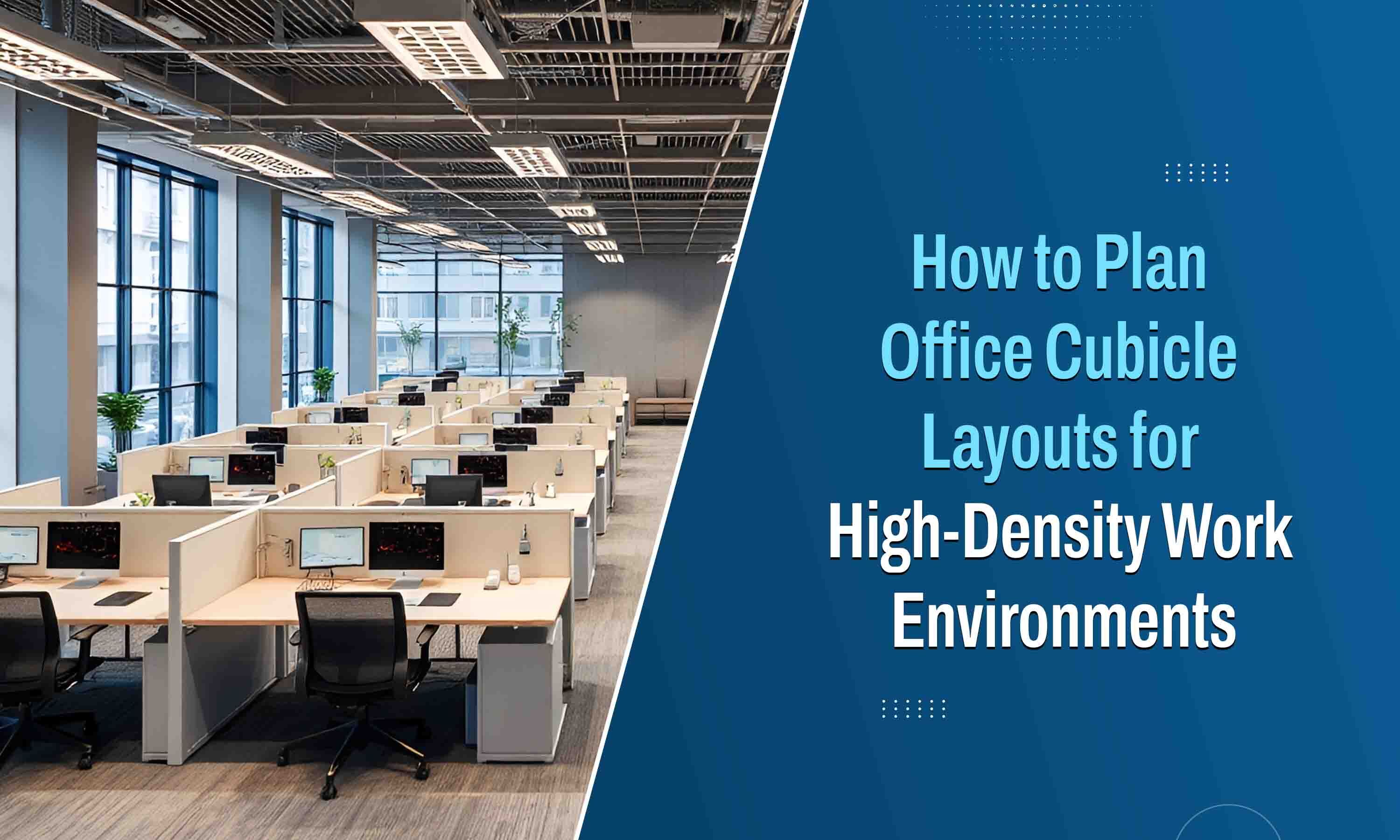
Dallas is one of the fastest-growing business centers in the United States. The logistics, finance, healthcare, and technology sectors are also expanding. As organizations scale their operations, the demand for effective workspace planning increases. The high-end office ambience is no longer restricted to start-ups. In fact, today, established brands are rethinking how to increase square footage without affecting productivity. Hence, strategic planning for any office cubicle is essential for achieving functional effectiveness, long-term flexibility, and employee comfort.
Choosing the correct cubicle
The workstation’s size and height strongly influence space efficiency. The popular choice of 6’x6′ cubicles may not always provide the most efficient density layout. A typical 5’x5′ cubicle or a bench configuration may provide more workstations than a traditional configuration when designed correctly. Businesses looking into office cubicles Dallas typically seek modular solutions that offer flexibility to grow over time and reconfigure easily.
The thickness of the cubicle panels, built-in storage, and the method used to manage cables and wires will influence the amount of usable space the cubicles provide. The best solutions will help you achieve your density objectives while providing ergonomic design, sound-leakage control, and adaptability to your business’s growing needs.
Evaluating workspace density and space needs
Effective planning starts with a comprehensive review of available square footage and workforce projections. High-density environments typically require balancing circulation channels, departmental clutter, and emergency egress with occupancy targets. It is also essential to assess workflow patterns, headcount growth projections, and device requirements before prioritizing layouts.
Assessing rentable versus usable space helps determine a practical workstation allocation. Including shared amenities, such as breakout zones and meeting rooms, can help avoid overcrowding. It also helps retain the employee’s comfort. Additionally, it ensures that the density doesn’t affect the workplace morale or operational performance.
Giving importance to employee well-being and ergonomics
Companies must maintain employee health standards to protect workers from hazardous working conditions. Adjustable seating and monitor arms, along with proper desk depth requirements, should be considered essential components of workstations. Acoustic panels and sound-absorbing materials create sound barriers that prevent noise transmission between cubicles. The ability to see their surroundings through sufficient lighting, ventilation, and access to visual barriers enables people to maintain their attention.
The establishment of micro-break areas, located near compact seating spaces, will help balance the demands of those seating arrangements. The combination of ergonomics and comfort design elements in compact work environments enables businesses to optimize space use while maintaining employee productivity. To learn more, visit Corporateofficeint.com and make a better decision.
Summary
Therefore, planning an office cubicle layout for a busy workspace with many employees requires more than simply adding extra desks in a limited space. It includes choosing a modular system, strategic forecasting, aligning the right infrastructure, optimizing circulation, and designing that focuses on employee needs. The moment such elements work cohesively, businesses can thrive and maximize square footage. It can also help maintain effectiveness, compliance, and workspace satisfaction. In a competitive commercial market, effective cubicle planning is a clear advantage rather than a basic furniture decision.