
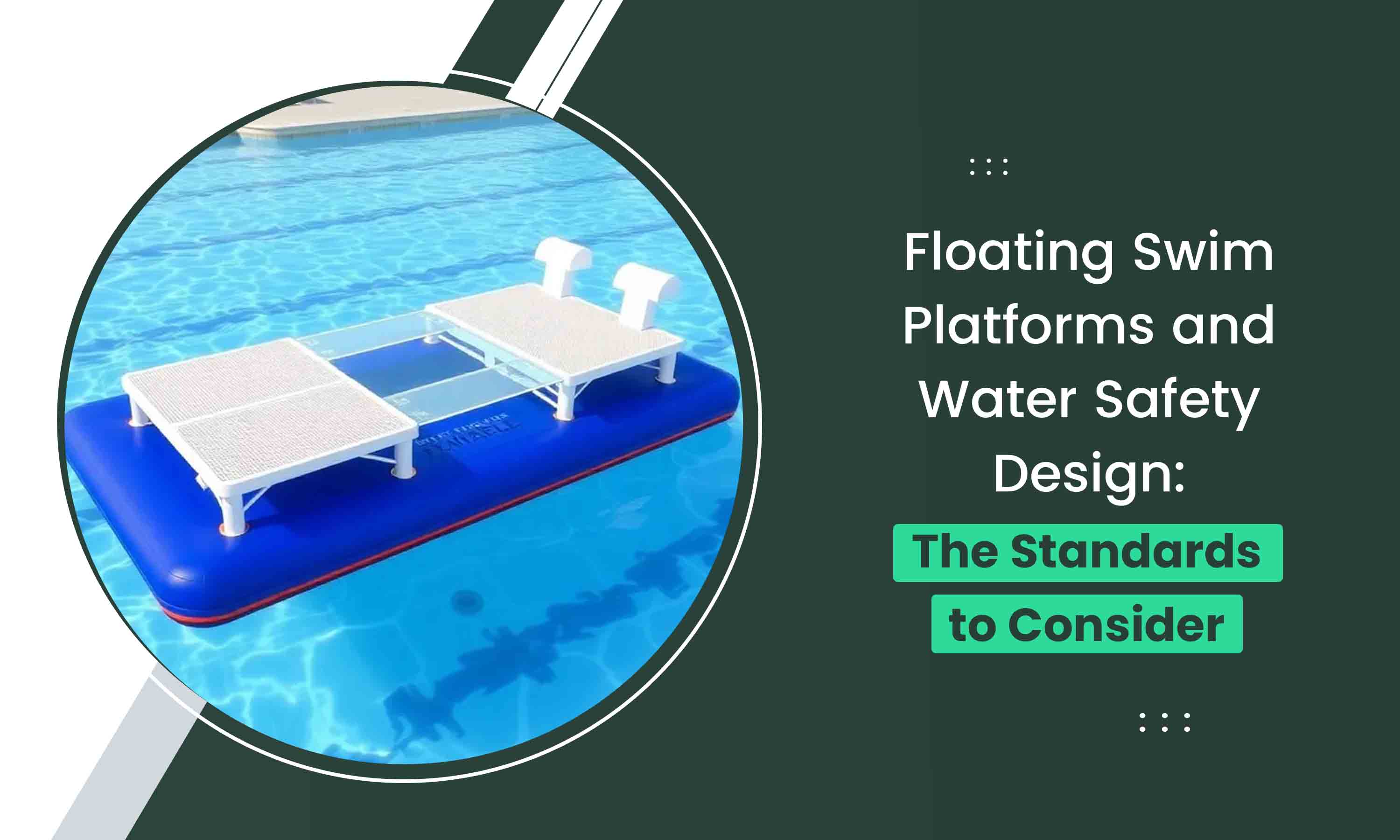
Today, floating swim platforms have become a renowned addition to marinas and waterfront properties. It provides a stable surface for recreational users, boaters, and swimmers. Even though recreation and convenience are two primary factors of consideration, it is also necessary to look into material selection and safety. Here, we will focus on the design considerations and key standards that ensure these platforms are safe and usable.
- Codes and regulations
Designers and installers must check up on local and regional laws governing offshore structures. They must also research any applicable regulations regarding the installation of floating swimming platforms. Regulations will differ based on the location of the project, but will include standards regarding load capacity, anchorage, and environmental effects. Some federal and state agencies will ask you to obtain permits before the installation process. However, some might also impose navigational clearance requirements, restrictions, and setback requirements on using this device to reduce installer or designer liability.
- Choice of materials
You must start with a solid structural design when creating a safe floating swim platform. Materials should be resistant to water, ultraviolet radiation, and corrosion. That means it can include treated lumber, composite decking, and marine-grade aluminum. Buoyancy modules can consist of foam-filled pontoons and polyethylene float tanks, and must be sized to support both the expected load and a safety factor. t is necessary for design engineers to adhere to safety factors in case of dynamic loads, like impacts from waves or jumping on the platform.
- User stability and safety
The ideal way for stability is to minimize the scope of pitching and rolling. You can do this by equipping the platform with an optimized beam-to-length ratio that ensures maximum buoyancy. Offering stable and secure access along the edges of the platform, through providing handrails and nonslip surfaces, can enhance safety. This is mainly for children and older adults who may have mobility issues.
The access ladders that are ergonomically designed with correct width and height specifications can enable users to get into the water without extra effort. Adequate lighting and reflective materials will help create a safe environment as well.
- Compliance and training
It is necessary to train users and offer clear signage on maximum weight, diving limitations, crisis communication procedures, and prohibited acts. That way, the chances of injury are lower, and it helps to comply with local regulations as well. To begin reviewing a product line and technical aspects of the product line, you can visit furthercustoms.com for specific product lines and specifications related to marine.
- Upkeep, emergency preparation, and maintenance
Regular inspections will identify any possible wear, UV degradation, loose fasteners, and damaged flotation. To keep the platform safe and long-lasting, you should opt for a complete maintenance program that comprises hardware examination and replacement, cleaning, and replacing worn items. Emergency preparedness measures, like posted procedures, life rings, and quick-release anchors, are considered best practice for all commercial platforms and community use facilities.
Summing it up
Therefore, these platforms provide a balance between utility and leisure. However, when it comes to safety, several factors will be impacted by ongoing attention and continued intent. It is essential to follow the building and local planning codes, utilize an accessible and stable platform, and choose sturdy materials. Additionally, you should also have an inspection routine for long-term, safe use.